
Seasonal
Storm Debris, Ice Damage and the Spring Thaw
Southern Minnesota gets two cleanup seasons and they could not be less alike. One arrives slowly and one arrives in fifteen minutes.
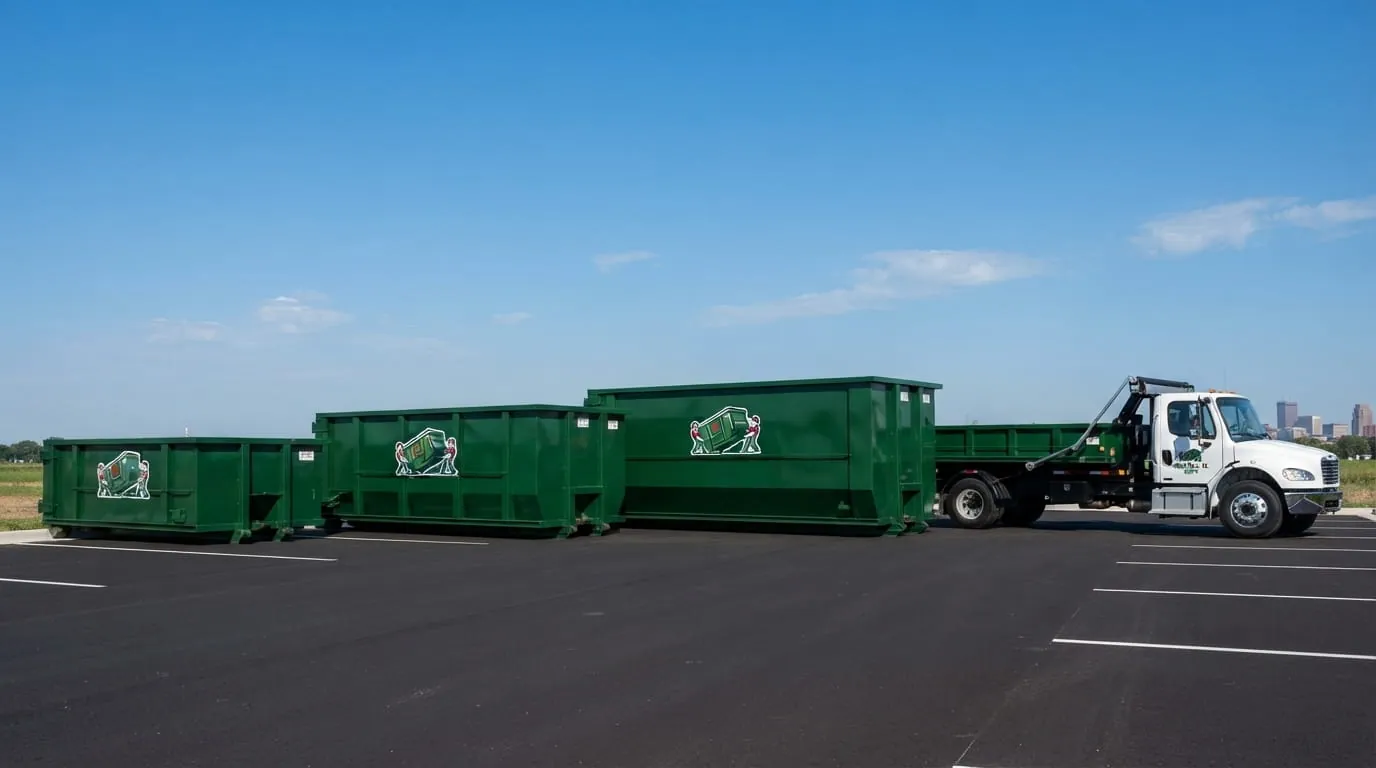
Two seasons, two kinds of damage
Southern Minnesota produces two distinct cleanup seasons, and they are nothing alike.
Winter damage is slow. Ice dams, snow load, frozen pipes, meltwater in a basement. It builds over weeks, it is often invisible until something gives, and it does most of its harm inside the building.
Summer damage is fast. Severe thunderstorms, straight-line winds, hail and genuine tornado risk. Fifteen minutes and a whole neighborhood has work to do.
And in between sits the spring thaw, which is quietly our busiest stretch of the year.
⚠️ Ice dams and winter water damage
The classic cold-climate failure, and the most expensive thing on this page.
Heat escaping into an attic melts snow on the roof; the meltwater runs down to the cold eave and refreezes, building a dam. Water then backs up under the shingles and into the house. By the time anyone sees a stain on a ceiling it has usually been going on for a while.
What comes out:
- Ceiling drywall and insulation — and wet insulation is extraordinarily heavy
- Wall drywall well below the visible line, because water wicks
- Carpet, underlay and flooring
- Soffit, fascia and sometimes a section of roof deck
- ⚠️ Anything with mould on it, which after weeks of slow wetting is common
Photograph everything before it moves, and call your insurer before you start clearing.
Snow load and structural damage
Less common than ice dams but far more sudden. Deep, wet snow is heavy, and a thaw-freeze cycle adds ice on top of it.
- Decks, porch roofs and carports are the usual casualties
- Sheds and older outbuildings, particularly flat or shallow-pitched roofs
- Gutters torn off by sliding ice
- Fencing pushed over by plough banks
⚠️ If anything structural has failed, get it assessed before you start pulling material out of it. A partly collapsed roof is holding load somewhere.
⭐ The spring thaw is the busy one
Ask anyone in this trade in Minnesota and they will tell you the same: the weeks after the thaw are the busiest of the year.
Three things happen at once:
- Everything that was under snow reappears — damage nobody knew about, debris nobody could reach, and four months of accumulated yard mess.
- Basements take water. Saturated ground plus frozen subsoil equals water going somewhere, and the somewhere is often a basement. Since basements here are universal and usually finished, that is a real clearance job.
- Everyone starts their projects in the same fortnight. The exterior work that could not happen all winter all becomes possible simultaneously.
⚠️ Two practical consequences. Book early — containers are genuinely scarce in that window. And think hard about the placement surface, because thawing ground is soft and asphalt driveways are at their most vulnerable while the base beneath is still saturated.
Severe storms and tornado damage
Summer brings severe thunderstorms, straight-line winds, hail and genuine tornado risk across southern Minnesota.
- Roofing — hail damage often needs a full replacement rather than a repair, and a re-roof hits a container's weight allowance before it fills
- Siding and windows
- Trees and large limbs. Cut them down before loading — a tree loaded whole takes three or four times the space it needs to. ⚠️ Green wood is full of water and heavy
- Fencing, including concrete footings, which are heavier than they look
- Outbuildings and anything not tied down
⚠️ After a tornado or a severe wind event, say so when you call. Blocked exits, damaged services and trees on vehicles go to the front of the queue.
⚠️ Saturated material weighs far more
The most useful practical fact for any of these jobs, and the one that produces unexpected charges.
- Insulation is the worst offender — wet fibreglass or cellulose is many times its dry weight and never gives it up
- Carpet and underlay
- Upholstered furniture from a flooded basement
- Drywall and plaster, which wick water well above the visible line
- Green timber from storm-felled trees
What to do:
- Let it drain where you safely can before loading
- Tell us it is storm or water damage at the quote — we size for weight rather than volume, usually a smaller container with a swap
- ⚠️ Cover the container if more weather is coming. Rain and snow are weight you pay for
- Do not fill a 30 yard with wet insulation. It will not be liftable
What the rules still require
An emergency does not suspend any of it, which is worth saying plainly.
- ⭐ The size rule still applies. Storm debris is full of long material — fence rails, deck boards, roof timbers, tree limbs. All of it needs cutting to length before it goes in.
- Tree and yard material is yard waste, banned from landfill statewide and needing its own route. ⚠️ Note the county compost site cannot take brush and branches, so ask us.
- Appliances and electronics ruined by a flooded basement are still banned by statute and still excluded from the furnace.
- Your load still goes to a county facility — the designation rule does not pause for weather.
- ⚠️ Watch for mould on anything that has been slowly wet for weeks, and handle it properly rather than hauling it through the house.
A seasonal checklist
- Photograph everything before anything moves, including the water line
- Call your insurer before clearing
- Power and gas off before entering a flooded basement
- Get structural damage assessed before pulling material out of it
- Let saturated material drain where you safely can
- ⭐ Cut everything over five feet down — the rule applies to storm debris too
- Separate tree and yard material — it has its own route
- Pull ruined appliances and electronics out of the load
- ⚠️ Book early in the thaw window, and think about the placement surface
- Cover the container if more weather is coming
Need a container in Rochester?
Call and describe the job. Three minutes on the phone gets you a size recommendation, a flat rate and a delivery window — and we will tell you if a smaller, cheaper container is the right answer.
Call (507) 516-5784